
Introduction: Why Proposition 65 Matters
If your business sells products in California—or even online to California customers—you need to understand California Proposition 65.Commonly known as Prop 65, this regulation is one of the most widely enforced chemical compliance laws in the United States.Many businesses assume Prop 65 is simply about adding a warning label. In reality, it is a comprehensive compliance system that involves product evaluation, chemical risk assessment, documentation, and ongoing monitoring.
What Is California Proposition 65?
California Proposition 65 requires businesses to:
• Identify exposures to chemicals known to cause cancer, birth defects, or reproductive harm
• Evaluate whether those exposures exceed safe limits
• Provide warnings if necessary
• Maintain documentation to support compliance decisions
The law is administered by the California Office of Environmental Health Hazard Assessment, which maintains the official list of regulated chemicals.
Today, the list includes over 900 chemicals and continues to be updated regularly.
Who Needs to Comply?
Prop 65 applies to businesses that:
• Sell or distribute products in California
• Operate eCommerce stores that ship to California consumers
• Manufacture goods that may expose individuals in California to listed chemicals
• Have 10 or more employees
Even if your business is located outside California, you are still required to comply if your products are sold within the state.
What Triggers a Prop 65 Warning?
A warning is required when a product exposes consumers to a listed chemical above established safe harbor levels.
These thresholds include:
• NSRL (No Significant Risk Level) for cancer-causing chemicals
• MADL (Maximum Allowable Dose Level) for reproductive toxins
If exposure exceeds these limits, a warning must be provided. If it does not, businesses must still maintain documentation to justify why a warning is not required.
Common Chemicals Associated with Prop 65
Some of the most frequently cited chemicals include:
• Lead
• Cadmium
• Arsenic
• Acrylamide
These substances can be found in a wide range of products, including dietary supplements, food items like matcha and chocolate, cosmetics, and packaging materials.
Understanding Warning Requirements
Prop 65 warnings must be:
• Clear and reasonable
• Visible before exposure occurs
• Properly formatted with a warning symbol
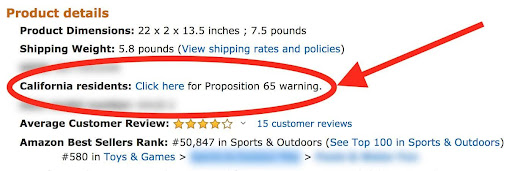
• Included on product labels, websites, or retail displays
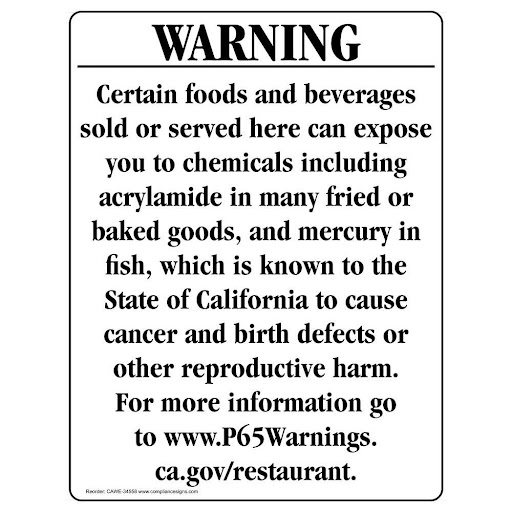
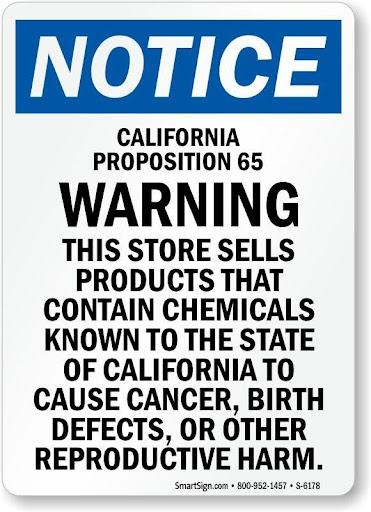
A typical warning statement reads:
WARNING: This product can expose you to chemicals including lead, which is known to the State of California tcause cancer and birth defects or other reproductive harm.
Prop 65 Is a System—Not Just a Label
A common mistake businesses make is assuming that placing a warning label is enough to achieve compliance.
In reality, Prop 65 requires a defensible compliance system, which includes:
• Product and ingredient evaluation
• Laboratory testing (typically ISO 17025 accredited labs)
• Exposure assessment calculations
• Supplier documentation review
• Compliance determination
• Ongoing monitoring of regulatory updates
Without these elements, your compliance position may be difficult to defend.
Required Compliance Documentation
To support compliance, businesses should maintain structured records such as:
• Applicability assessments
• Product and chemical evaluation checklists
• Chemical list reference registers
• Safe harbor level references (NSRL and MADL)
• Laboratory testing reports
• Supplier disclosure forms
• Exposure assessment documentation
• Compliance determination records
• Warning justification files
Maintaining these records ensures that your business can demonstrate compliance if challenged.
Industries Most Affected
Certain industries face higher exposure risks, including:
• Dietary supplements
• Food and beverage products
• Cosmetics and personal care items
• Packaging and food contact materials
• Online and Amazon sellers
Businesses in these sectors should prioritize compliance systems and regular monitoring.
Final Thoughts
California Proposition 65 is often misunderstood, but its requirements are clear:
It is not just about adding a warning label.
It is not just about testing a product.
It is about building and maintaining a complete, documented compliance system.
If your business sells products in California, you should be able to confidently answer this question:
Can you prove your compliance if challenged?
Get Started
If you are unsure about your current compliance status, taking a proactive approach is critical. Establishing proper documentation, testing protocols, and monitoring systems can help protect your business and ensure long-term compliance with California Proposition 65.